Roasting Craft
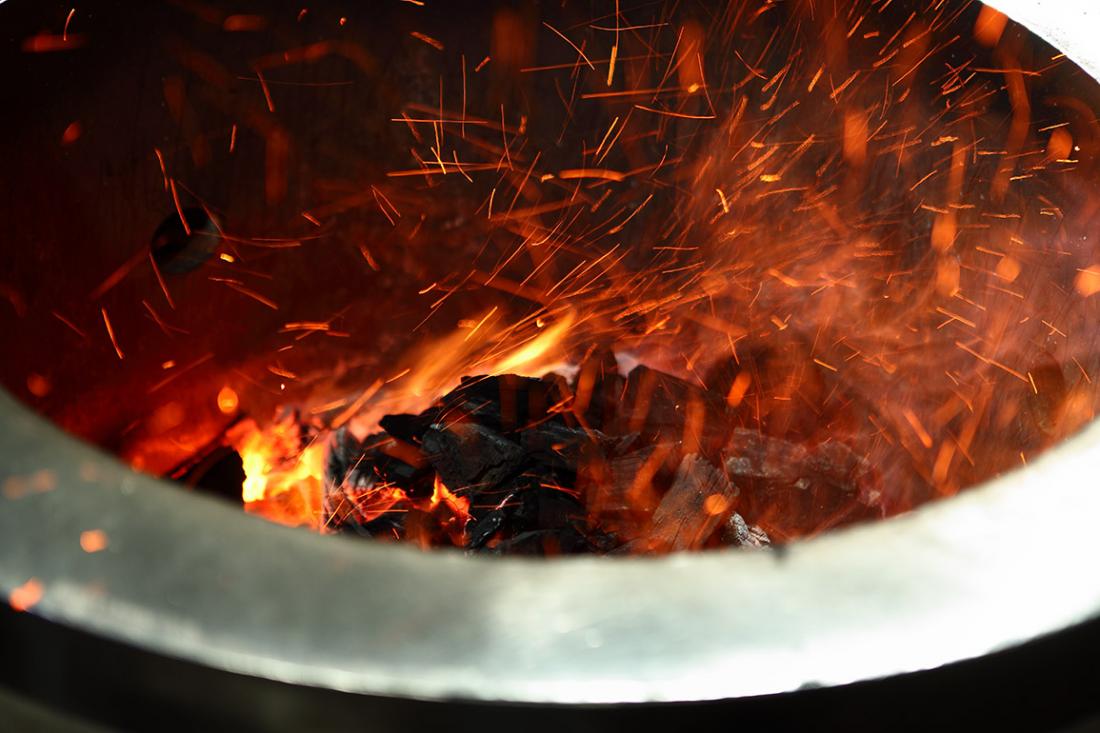
Roasting over charcoal is an involved process, and every stage is done by hand.
Charcoal roasting is really an act of keeping watch: the roasting master must stay beside the tea,
adjusting the timing and the heat as needed, turning the leaf at intervals
so that everything in the basket heats evenly.
The work covers preparing and lighting the charcoal, kindling the fire, covering and levelling the ash, controlling the temperature and more.
It is slow, demanding, requires real expertise, and is very hard to control.
Get it wrong and the tea is ruined, tasting smoky and scorched. The stages are outlined below:
Longan charcoal of the right size is selected, placed into the roasting stove in order, and lit.
The charcoal goes into the stove in batches. As it burns through, it is packed down firmly so the bed stays stable.
Ash is spread over the glowing charcoal and levelled out, leaving no gaps and no open flame.
To keep quality even, a single basket holds no more than 10 catties (6 kg) of tea.
For even heating the leaf is turned at least once an hour, and a basket takes anywhere from 3 to more than 10 hours of unbroken roasting.
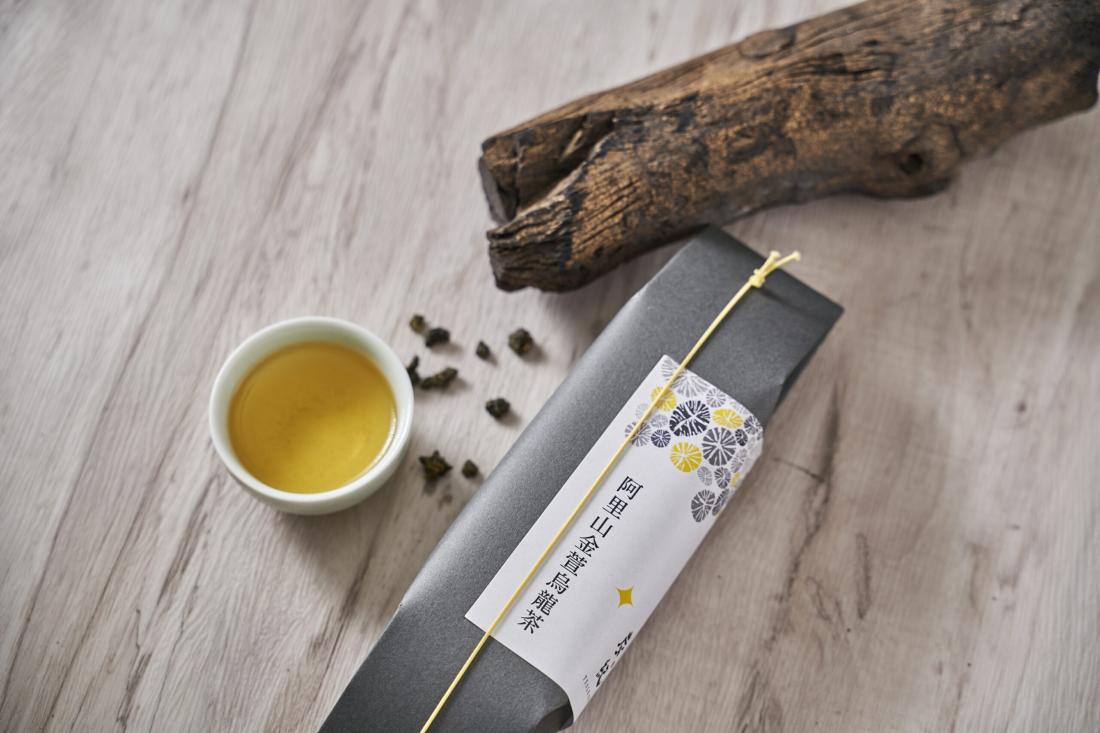
How do you recognise charcoal-roasted tea?
The spent leaf: charcoal-roasted leaf keeps its resilience. It does not tear easily, and a soft, springy spent leaf means the roast was judged just right, with no scorching.
Liquor colour: electric roasting struggles to reach the inner layers, so some impurities remain in the stem and the liquor looks less clear. Charcoal roasting, with its penetrating radiant heat, gives a noticeably brighter, cleaner liquor.
Dryness: the radiant heat from burning charcoal penetrates further, reaching inside the stem and driving moisture and impurities out from within. Electric roasting conducts heat by hot air across the surface of the leaf, working from the outside in, and reaches the inner stem far less easily.
Flavour: electrically roasted tea gives off a more obvious aroma as it brews, but can taste comparatively thin in the mouth. Charcoal-roasted tea smells more restrained in the cup, yet once drunk it opens into layer after layer of fragrance, leaving a warm, lingering finish on the palate and the sweet scent of longan charcoal in the bottom of the cup.