The meaning of roasting: the dynamics of tea aroma

The many faces of aroma in blue-green tea

|
Tea is judged on more than the look of the leaf - colour, aroma and flavour matter more and of the six tea families, blue-green tea (baozhong, oolong and tie guan yin) is the only one where roasting is central to the craft |
 |
 |
Different roasting methods give blue-green tea its distinctive, varied aromas Beyond good raw leaf and sound tea-making technique roasting can lift the aroma and the taste further still
As the old farming saying goes: "There is no trick to making tea - only good work with the fire." In other words, mastering the roast is the key to lifting quality. |

A fine transformation in quality

|
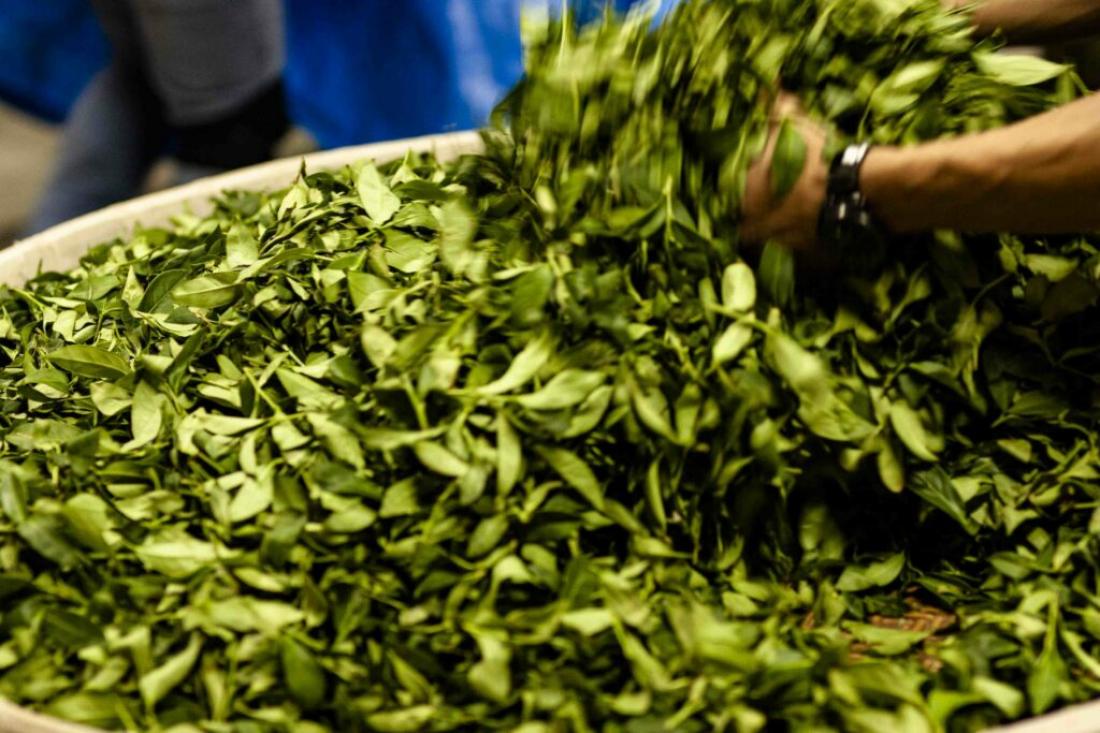
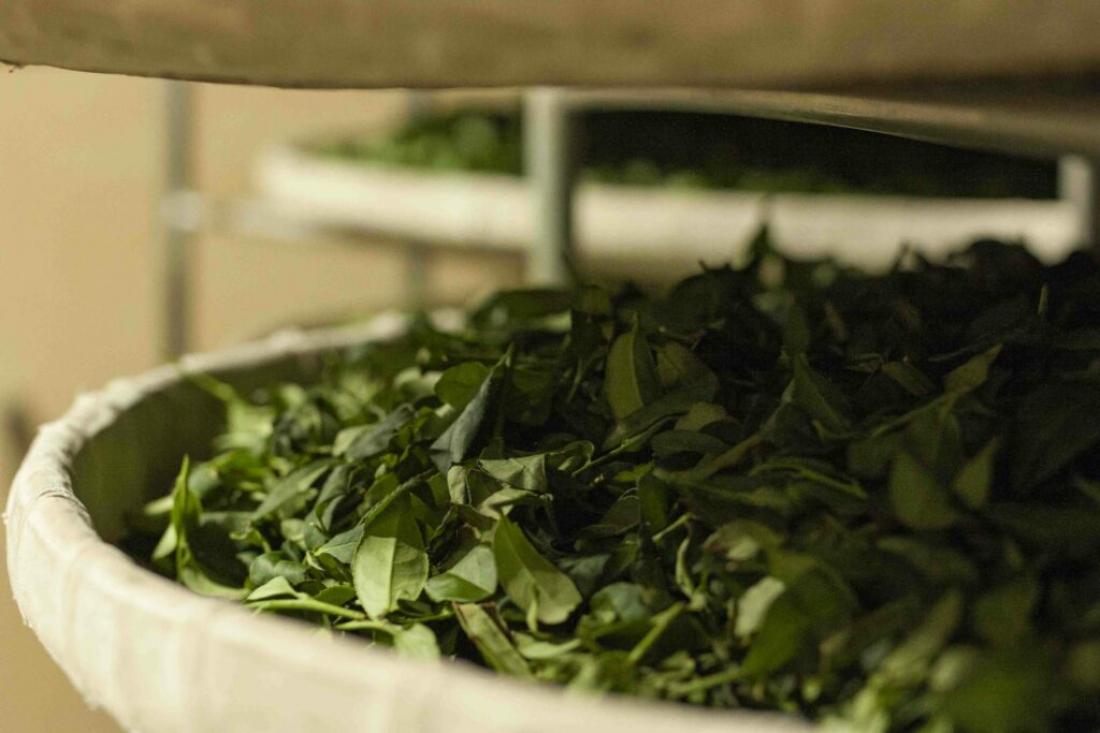
Freshly picked leaf is first worked into maocha, or rough tea and must be refined before it is fit to sell. Maocha still holds moisture, off-notes and grassy smells, along with old leaf and debris To raise quality, the old leaf and debris are removed so they do not affect the liquor Unroasted, the liquor is paler and cloudier, carrying off-notes and a raw grassiness and the flavour is thin, with a touch of bitterness |
 |
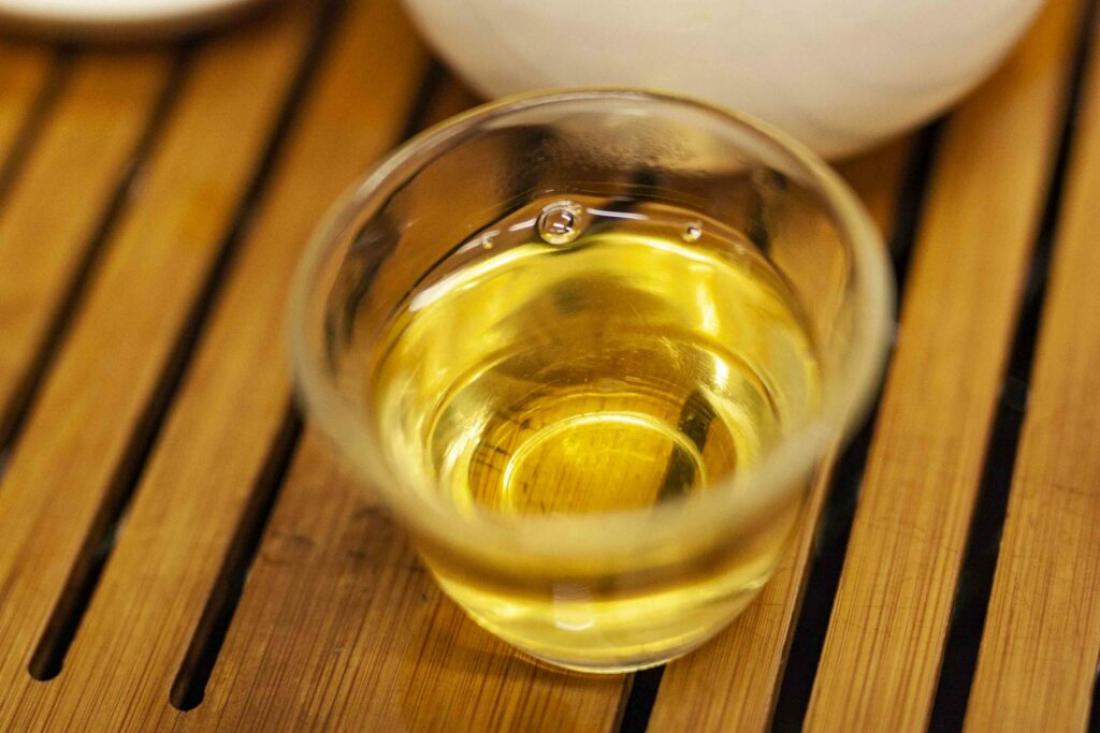 |
After roasting, the liquor turns clear and bright, the aroma and purity lift noticeably, bitterness falls away, and the aroma above the cup, in the liquor and in the leaf all gain depth, leaving a sweet, mellow, full-bodied tea. |
You could say the main purpose of roasting is
to reduce moisture and drive off off-notes and grassiness,
to extend how long the tea keeps,
and at the same time to draw out a particular mouthfeel and a distinctive aroma

What roasting actually does

|
(1) It lowers the moisture content, which helps the tea keep. Tea absorbs moisture readily, and its water content climbs the longer it is stored. Above 10% moisture, staling and even mould set in faster. Roasting brings the moisture down to 3-5%, preventing deterioration and extending shelf life. |
(2) It drives off unwanted smells and raises quality. Maocha tends to carry a raw grassiness and some bitterness, and in storage it can pick up stale or cloying notes. Roasting reduces or removes the grassiness and staleness and eases the bitterness, lifting the quality of the tea. |
|
(3) It meets demand for different degrees of roast Roast levels run broadly from very light through light and medium to heavy, so a charcoal-roasted character can be produced to suit different drinkers. |
(4) It lowers the caffeine content. Under high heat, caffeine sublimes out of the leaf into the air, then solidifies again on meeting cooler air and settles on the roasting basket. Driving off caffeine this way leaves a mellower, sweeter liquor. |