In a single cup, the warmth of charcoal roasting
Charcoal roasting is the traditional method, and it calls for expertise and experience.
Technology has come a long way, and electric roasting can now reproduce some of what charcoal does:
it handles far more leaf at once, and electronic instruments control temperature and timing precisely.
There are even infrared roasters built to imitate the heat of charcoal.
And yet charcoal roasting - the distilled wisdom our forebears
handed down centuries ago - remains hard to replace.
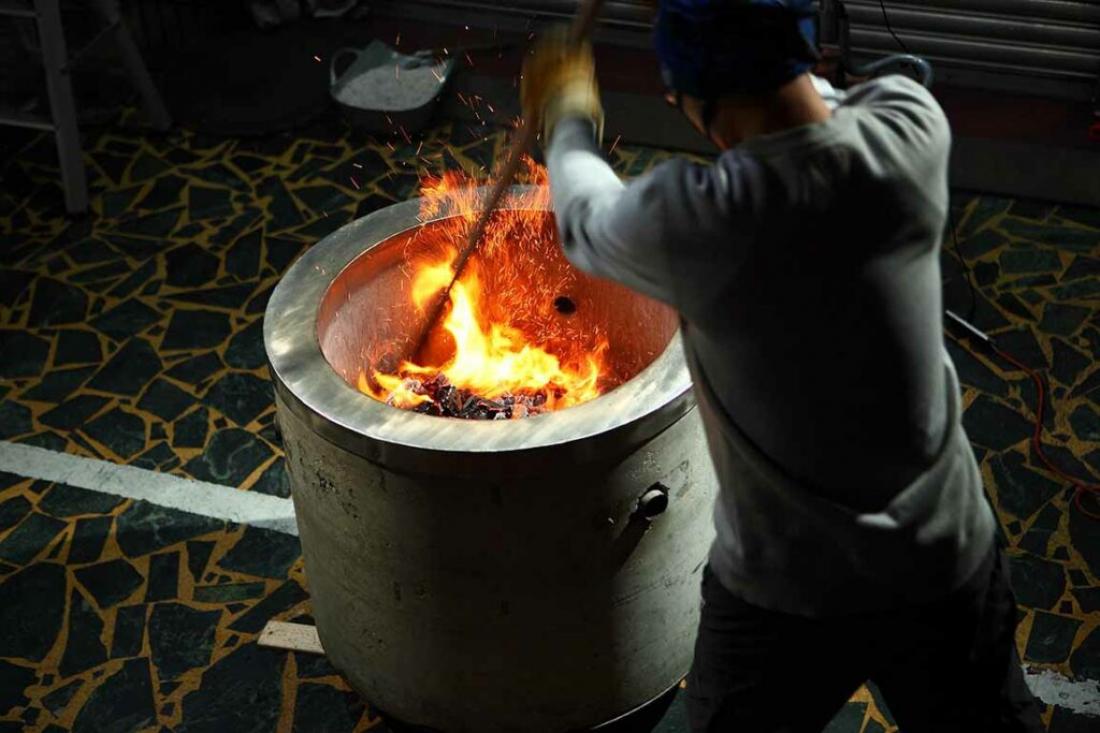
Decades of actually roasting tea over charcoal have taught us
that the mouthfeel and character charcoal gives the finished leaf
are something electric roasting simply cannot copy.
This is our forebears' wisdom, handed down,
and the care, patience and persistence of the roasting master
are not things technology can imitate.
They are part of what makes tea culture worth keeping.
What sets charcoal roasting apart
 |
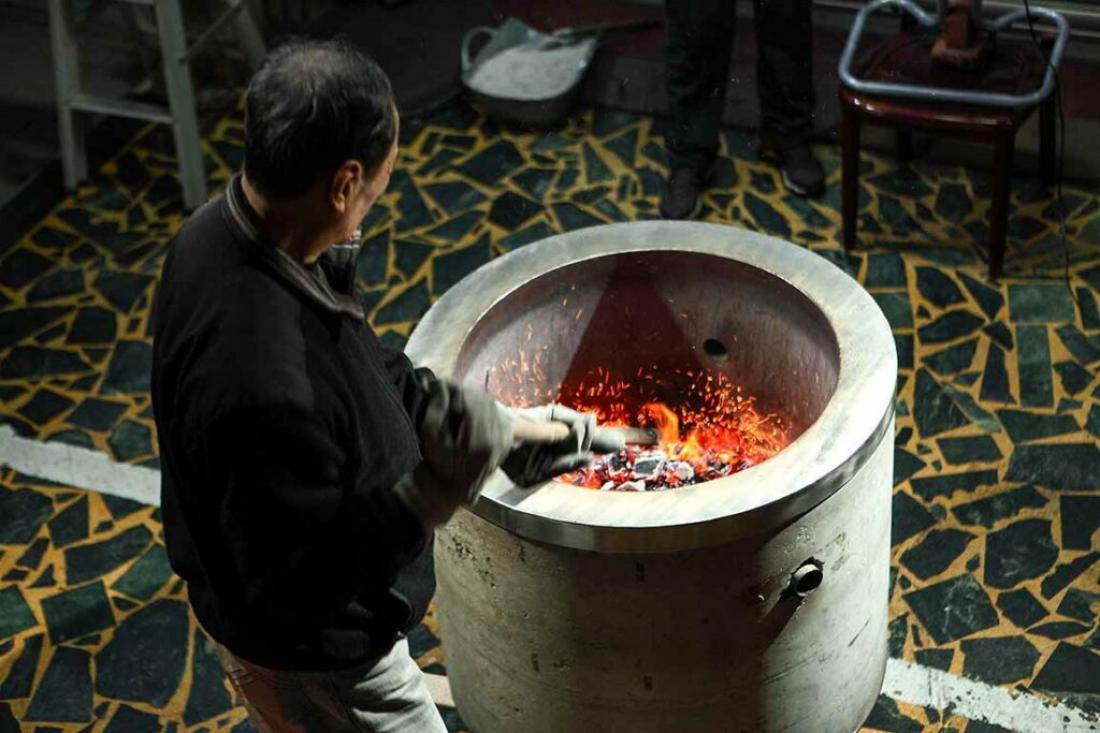 |
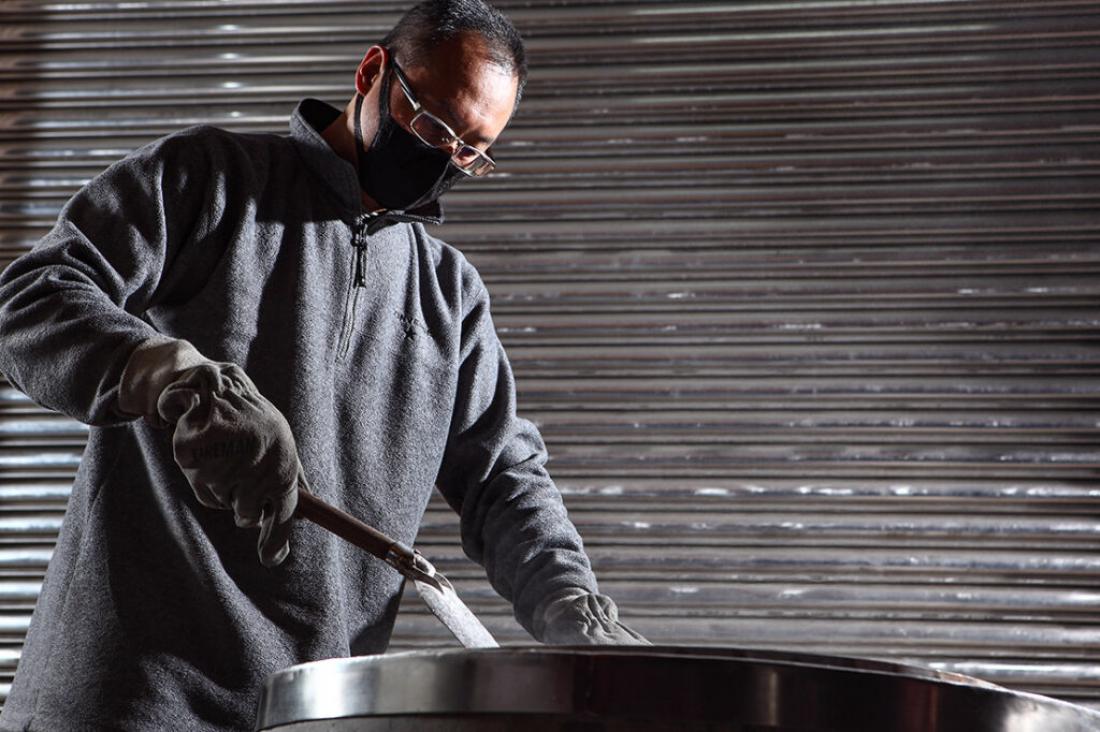
| (1) The far-infrared heat given off by burning charcoal (radiant heat) penetrates powerfully, reaching deep into the leaf and right through to the stem. | (2) Roasting long and slow over charcoal heat draws out the grassy notes hidden inside, piercing the leaf like a fine needle. |
 |
 |
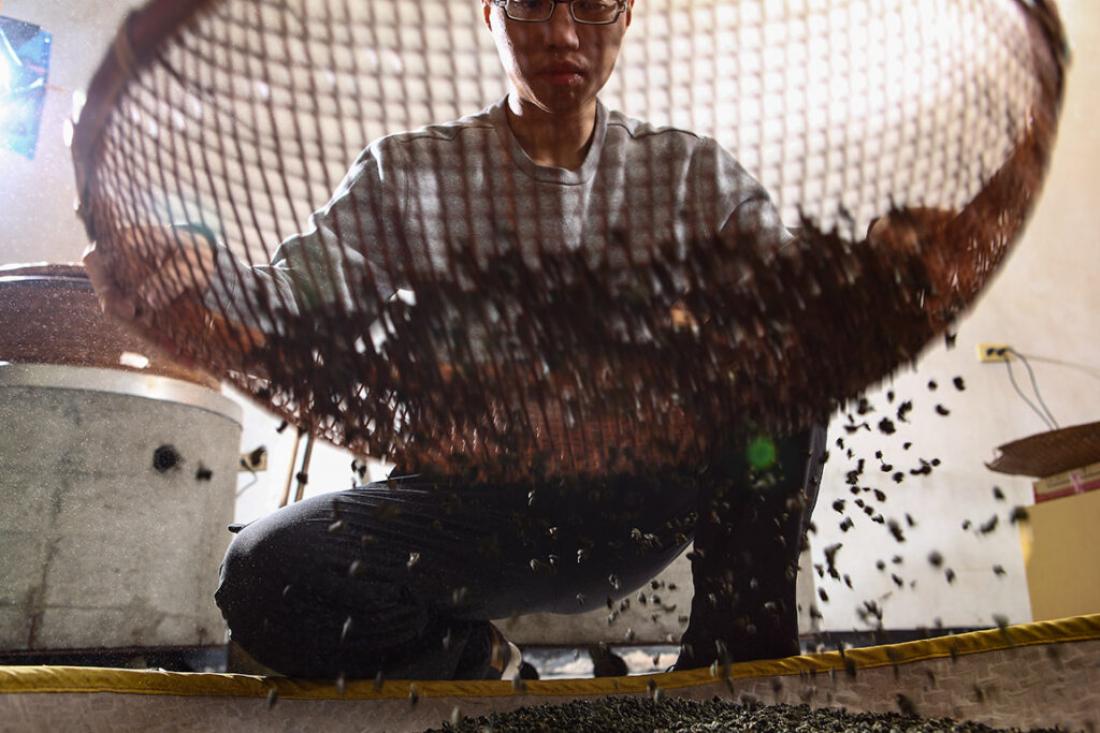
| (3) The roasting master judges time and temperature by the particular batch of leaf, turning the tea in the basket at intervals so the flavour develops evenly. | (4) A charcoal fire carries its own sweetness, producing a charcoal-roasted tea that is smooth on the palate with a sweet, lingering finish. |
What makes charcoal-roasted tea distinctive
Charcoal roasting is slow, demanding work.
Controlling the temperature and judging the roasting time
depend entirely on a roasting master staying with the tea throughout.
But the fragrance left in the bottom of the cup lasts and lasts,
carrying wave after wave of the sweet scent of longan charcoal.